Timemore Chestnut C3
Manual burr grinder with stainless steel conical burrs.
A widely recommended entry-level hand grinder: consistent grind for filter coffee at a modest cost.
Grinding to order is the biggest single improvement most home brewers can make. Ground coffee goes stale in days; whole beans keep for weeks.
Burr grinders crush beans between two shaped burrs to a set size. Blade grinders chop at random and produce both dust and boulders in the same batch, which brews bitter and sour at once.
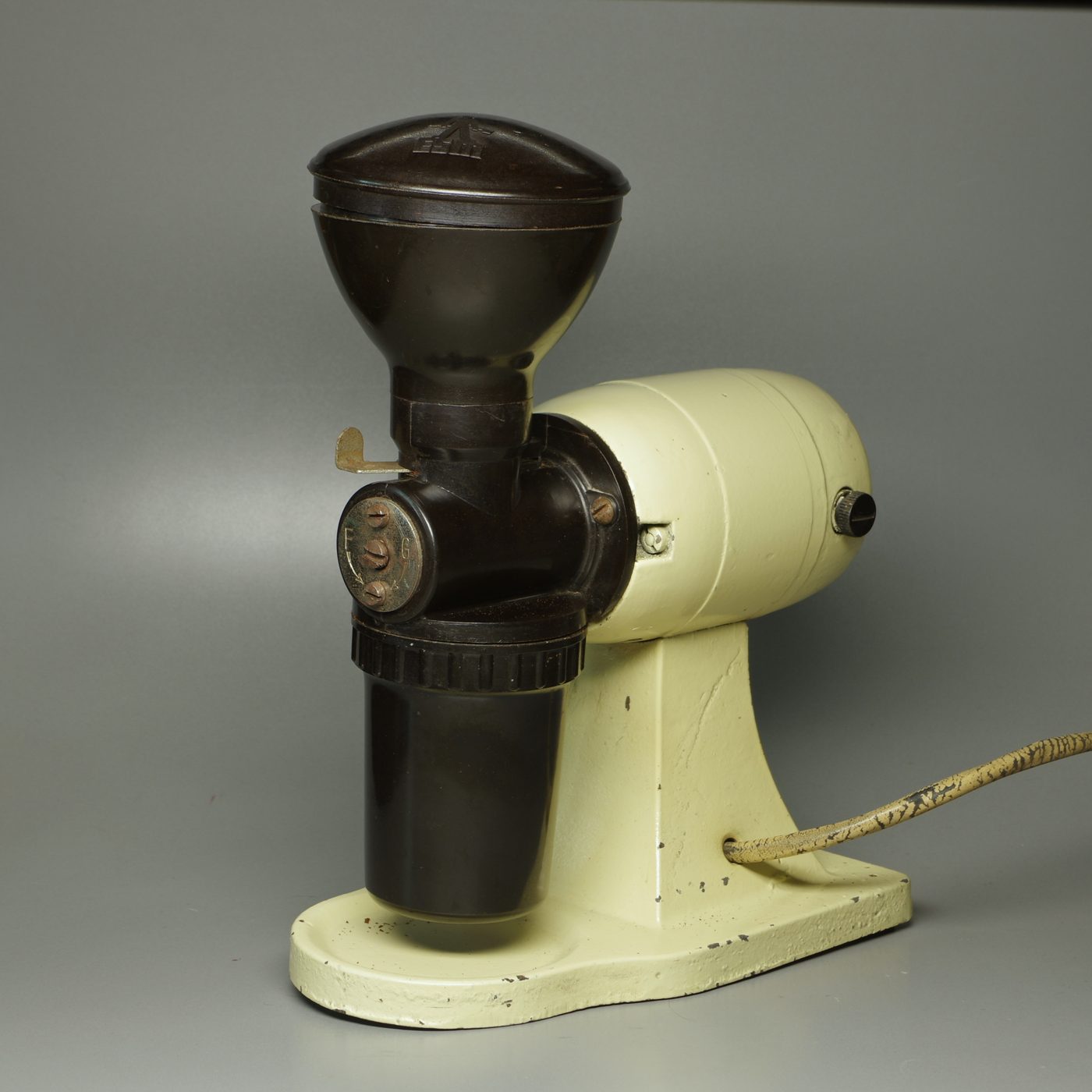
Weigh whole beans into the grinder rather than filling the hopper — you grind only what you need, and nothing stales in the machine.
Coarse (sea salt) for cafetière and cold brew; medium-coarse for a Chemex; medium (coarse sand) for filter machines and drippers; medium-fine for V60 and AeroPress; fine (icing sugar) for espresso.
Grind immediately before you brew. Aroma starts escaping the moment the beans are broken open.
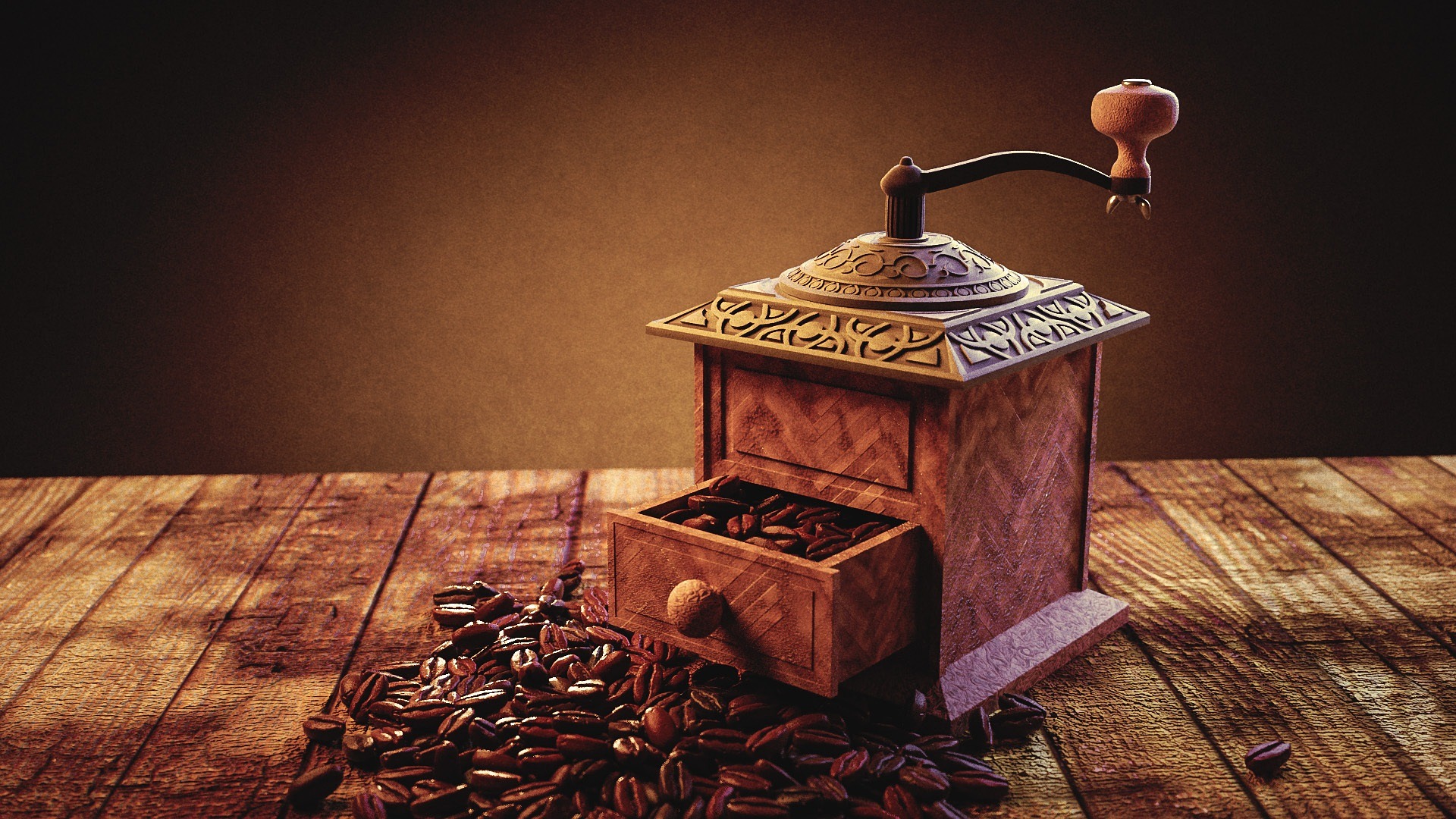
Tap the grinder as it finishes and empty the chamber completely. Retained grounds from the last brew will make the next one taste flat.
Sour, weak and fast means grind finer. Bitter, harsh and slow means grind coarser. Change one notch at a time and keep the dose and water the same so you know what caused the change.
Brush out the burrs and chute every week or two, and deep clean monthly. Coffee oils build up and go rancid, and grounds packed around the burrs shift your grind setting.
As an Amazon Associate I earn from qualifying purchases. Read our affiliate disclosure.
Manual burr grinder with stainless steel conical burrs.
A widely recommended entry-level hand grinder: consistent grind for filter coffee at a modest cost.
Premium German-made manual grinder with high-nitrogen steel burrs.
The benchmark hand grinder for pour-over; excellent grind uniformity and built to last.
Electric conical burr grinder covering espresso through to cold brew.
A compact all-purpose electric grinder for people who want convenience without a large machine.
See the full list on our coffee gear page, and buy beans direct from UK specialty roasters.