Comandante C40 MK4
Premium German-made manual grinder with high-nitrogen steel burrs.
The benchmark hand grinder for pour-over; excellent grind uniformity and built to last.
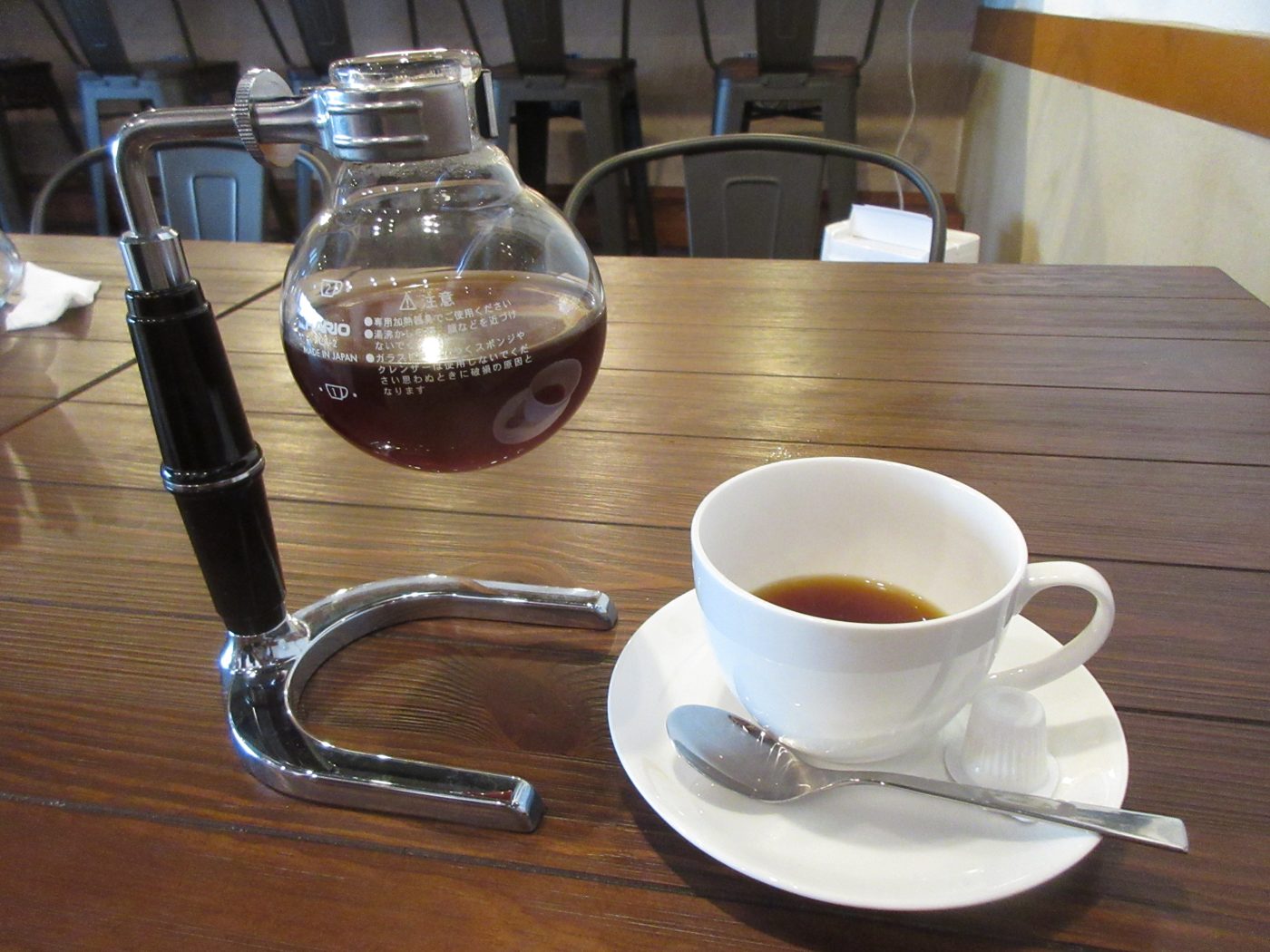
A vacuum brewer (also called a siphon or syphon) has two chambers. Heating the lower chamber forces water up into the upper one, where it mixes with the coffee. Remove the heat and the cooling lower chamber creates a partial vacuum that pulls the brewed coffee back down through the filter.
It brews at a high, stable temperature by full immersion and filters cleanly, so the cup is both full-flavoured and very clear. It needs your attention throughout — this is not a leave-it-alone brewer.
Fit the cloth, paper or metal filter in the upper chamber and hook its chain under the tube. Rinse a cloth filter in hot water first — cloth filters must also be stored wet or frozen, never dry.
Pre-heating the water in a kettle shortens the brew and reduces the time the glass spends over a flame. Add the measured water to the lower chamber and dry the outside of the glass.
Set the burner or heater under the lower chamber. As pressure builds, the water climbs into the upper chamber. Seat the upper chamber firmly so the seal holds.
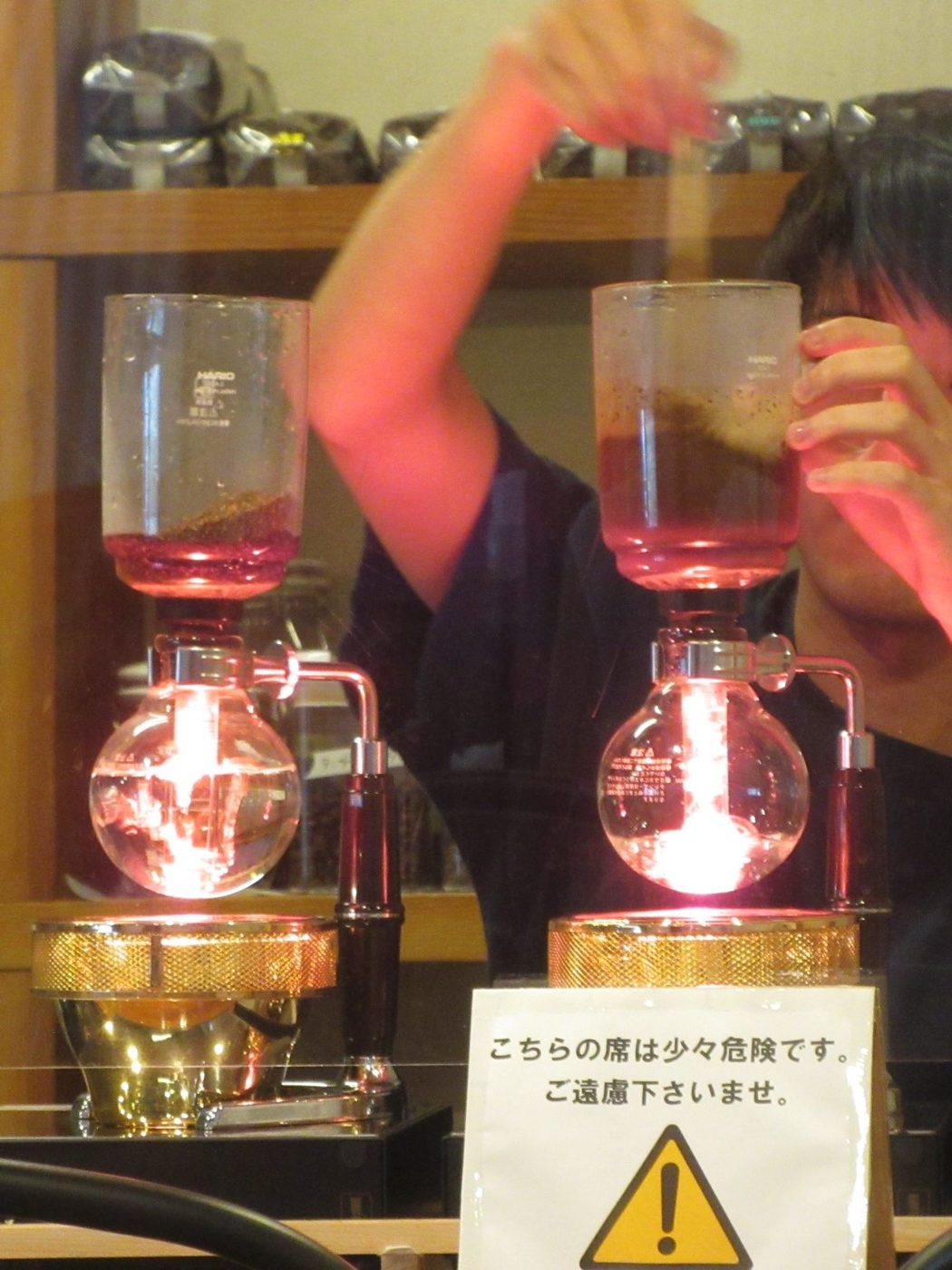
Once nearly all the water is up, add the medium-ground coffee and stir gently to wet it all. As a starting point use 60 g of coffee per litre of water (about 15 g of coffee to 250 ml) — the ratio range published by the Specialty Coffee Association for filter coffee — then adjust to taste.
Keep just enough heat to hold the water up. Give a second gentle stir near the end so the bed is evenly extracted.
Take the burner away. As the lower chamber cools, the vacuum pulls the coffee down through the filter in 30–60 seconds. A flat, even bed of grounds left in the top is a sign of an even extraction.
Rock the upper chamber gently to release it, rest it in its stand or a bowl, and pour. Wash and dry the glassware before it cools fully.
As an Amazon Associate I earn from qualifying purchases. Read our affiliate disclosure.
Premium German-made manual grinder with high-nitrogen steel burrs.
The benchmark hand grinder for pour-over; excellent grind uniformity and built to last.
Digital scale with 0.1 g precision and an integrated brew timer.
Lets you follow roaster recipes exactly and repeat a great cup.
Electric gooseneck kettle with variable temperature control.
Precise temperature control and a counterbalanced handle; a favourite among specialty brewers.
See the full list on our coffee gear page, and buy beans direct from UK specialty roasters.